
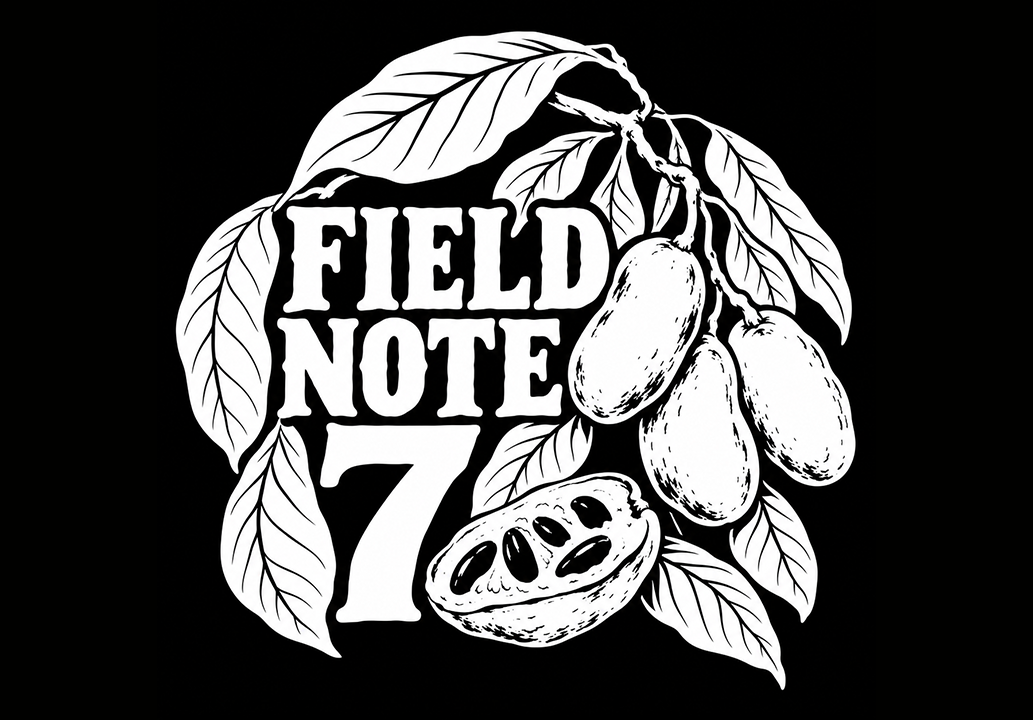
The pawpaw looks like an escapee from the tropics and is sometimes called the Appalachian banana. Native to eastern North America, this small tree grows in moist woods, sheltered slopes, and creek bottoms. Trees have a slender trunk like a sapling and grow broad, drooping leaves that make it stand out beneath the taller hardwoods. Once you learn the shape, you’ll start noticing patches along the same wooded banks you walk while fishing if you’re lucky. You can also smell the ripe fruit on the breeze when they are in season.
OSPREY
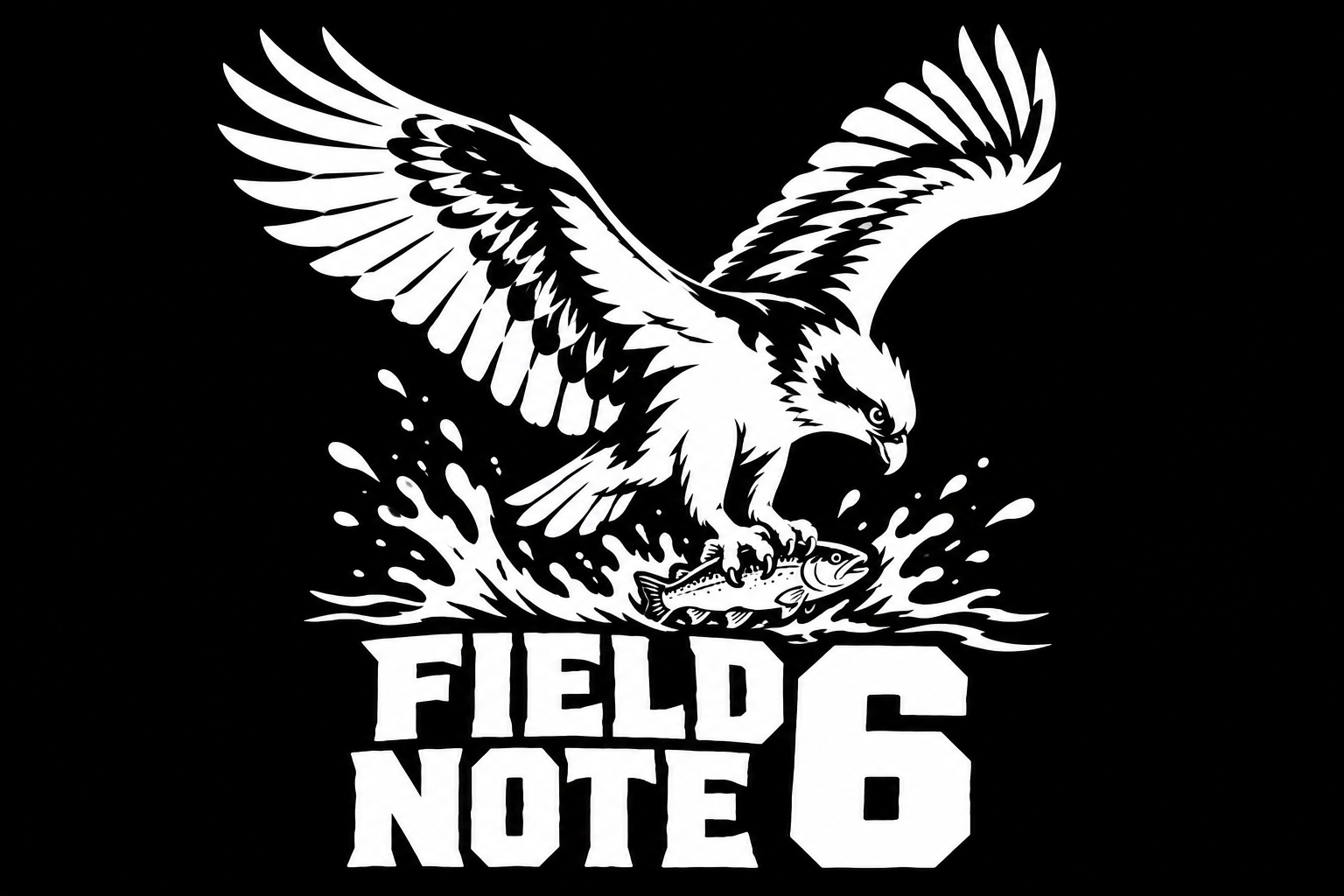
There’s something humbling about watching an osprey catch a fish. You can spend half the morning changing lures and convincing yourself the bite is off. Then a bird drops out of the sky and carries lunch away. It’s also cool realizing they’re out here fishing just like me.
WILDERNESS
You can spend a day in a national forest and never cross into designated wilderness. Then you pass a little brown sign on a trail, and the rules change. The trees look the same. The creek keeps running. But that boundary marks a particular promise we made about the land.
OPINION
One thing the woods will teach you is that land can look empty to somebody who doesn’t know it. A wooded ridge on a map just shows as green space. To somebody who spends time there, it’s the head of a trout or smallmouth stream, a place where deer and elk cross in November, an ancient stand of old-growth timber, or wilderness where you can still walk for hours without hearing anything mechanical.
LONGNOSE GAR
Next to carp, gar are my least favorite fish to catch. They are awkward in the net and just not a species I target. But if the bite is slow and I know gar are around—and they’re always around—I’ll toss to them to see what happens. The ones I typically see are two to three feet long, but they can grow to nearly six feet and weigh 50 pounds. When you do manage to hook one, it could be a four-foot monster. A fish that size looks less like something you’d catch and more like something you’d shoot.
RIFFLES
Riffles are those shallow, choppy stretches of creek where the water speeds up and tumbles over gravel, cobble, and scattered rocks. They may not look like much compared to a deep hole or a big undercut bank, but I’ve learned not to walk past them too quickly. A good riffle is doing a lot more than making noise. It is moving water, stirring things up, carrying food, and creating a bunch of little places where a fish can sit without fighting the full force of the current.
POISON IVY
Poison ivy is one of those plants that can turn a good day in the woods into a miserable week afterward. The trouble comes from an oil in the plant called urushiol. Get it on your skin and, if you’re sensitive to it, you may wind up with redness, swelling, relentless itching, and blisters. The rash usually hangs around for a week or two, sometimes longer.
CHIGGERS
Chiggers are one of those little backwoods aggravations that can turn a good day outdoors into several days of scratching. They’re tiny mites—so small you’ll probably never see them—and they tend to hang out in tall grass, weeds, brushy creek banks, and other damp, overgrown places. They usually get you around the ankles, waistline, behind the knees, or anywhere clothing fits tight against the skin.